



Backlink Building
What is a contextual link and why it matters for SEO?
Understanding what a contextual link is can transform your SEO strategy. Learn how these natural, re...

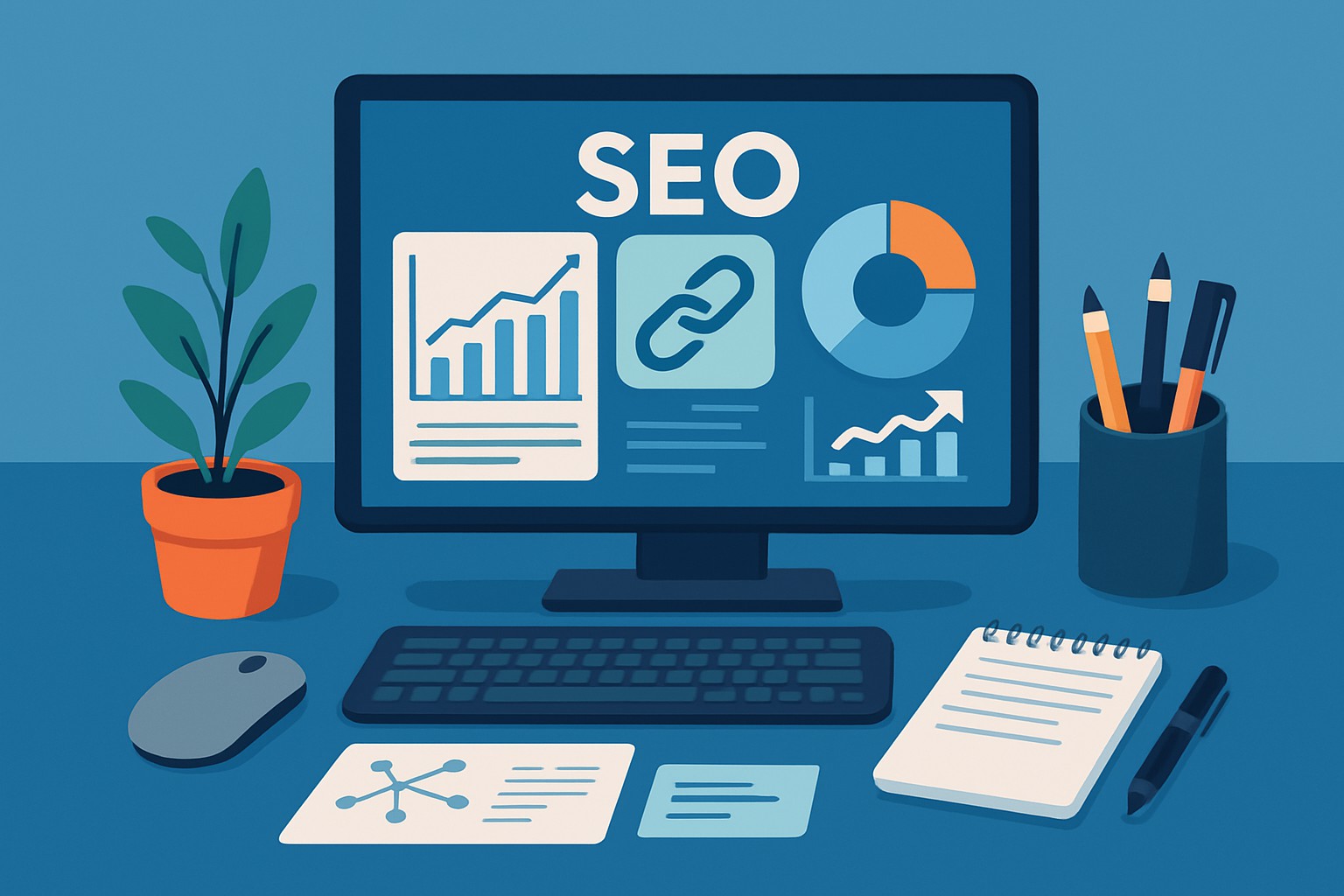
Contextual link building services are a key player in modern SEO and help give your website authority a noticeable bump while driving organic traffic through backlinks that slip in naturally within relevant content. With a sea of options and price points all over the map, it’s easy to feel lost wondering if these services are worth the investment. We’ll dive into what contextual link building really involves. We will weigh the pros and cons and share practical advice plus real-life examples.
Contextual link building services focus on placing backlinks where they truly belong inside relevant high-quality content rather than usual cookie-cutter directory listings or dull footer links. By weaving links naturally into spots that genuinely match the referenced site these services tend to give SEO a well-deserved boost thanks to improved relevance and stronger trust signals.
When it comes to boosting your website’s authority, contextual link building services really hit the sweet spot. These services don’t just throw links around willy-nilly; they place them thoughtfully where they naturally fit, making your SEO game stronger and more reliable. In my experience, there’s something satisfying about links that flow organically within high-quality content—it's like the difference between a well-timed handshake and a random high-five.
Here’s the kicker contextual links carry more weight with search engines because they’re surrounded by relevant, topical content. It’s almost as if the internet gives them a nod of approval. Plus, these services often help you steer clear of spammy link practices, which can be a real landmine for your site’s reputation. So, if you want to play the SEO game smartly and with finesse, investing in contextual link building might just be your best bet.
Using contextual link building services can genuinely give your website's SEO a nice little kick by delivering backlinks that are relevant and stand the test of time. I have found these services often lead to better search rankings and a nice uptick in referral traffic. They also build stronger brand authority since the links appear within meaningful content-rich settings where they truly belong.
While contextual link building services bring clear advantages, they have some quirks. These include higher costs, unpredictable link quality and the occasional risk of ending up on sites that are either off-topic or low authority.
Investing in contextual link building definitely requires a careful eye, since campaigns that miss the mark often end up causing penalties rather than boosting performance. From what I have seen, zeroing in on quality usually packs a bigger punch than just chasing after sheer quantity.
Contextual link building usually kicks off by really getting a handle on the client's goals and taking a good look at where their SEO currently stands. From that starting point, providers either craft spot-on content or hunt down the best existing pages where links can naturally fit. Then comes the outreach—touching base with website owners or editors to lock in those links, which can sometimes feel like a bit of a dance.
Kick things off with a thorough SEO audit to uncover hidden link building gems and get a clear picture of your campaign goals.
Narrow down your target pages and focus on relevant keywords so your links actually pack a punch and don’t feel out of place.
Craft fresh content or give existing pieces a facelift where you will naturally weave in contextual links.
Reach out to authoritative sites like knocking on the right doors and have a friendly chat about where your links could fit.
Slip your links in like they belong and keep a close eye on the campaign’s progress, reporting back on how things shape up.
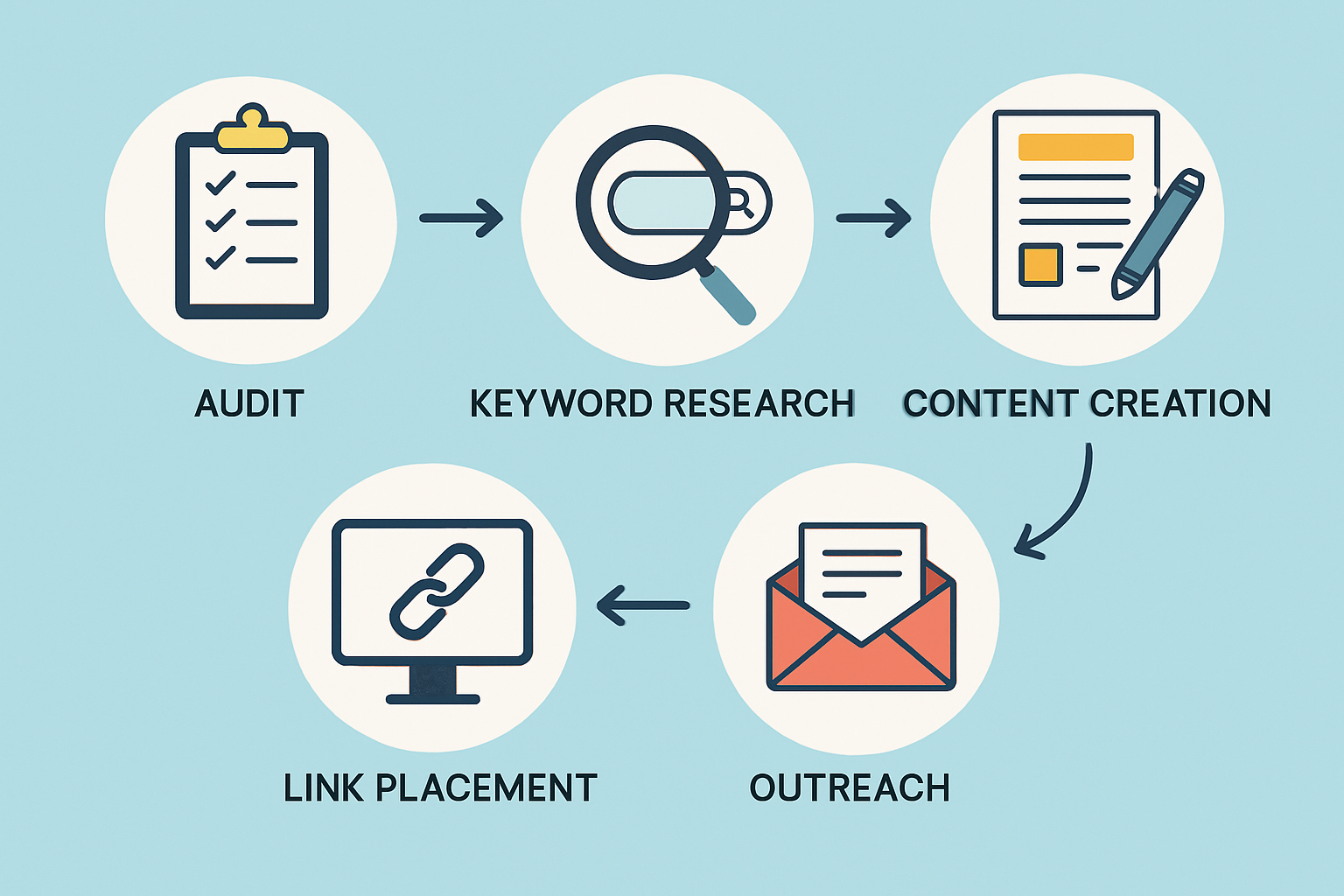
Visual workflow illustrating the key steps involved in contextual link building services.
Let’s take a deeper dive into some of the go-to SEO tools that have really made a name for themselves when it comes to contextual link building. Whether you’re a seasoned pro or just dipping your toes in, these tools can seriously streamline your strategy and maybe even save you from a few headaches along the way.
No SEO tool can yet take the wheel and fully automate the entire contextual link building journey. Platforms like Semrush, Moz and Mangools come close by offering key features such as backlink analysis, prospect identification and link monitoring. These tools help steer outreach strategies and give you a solid sense of link quality with their handy insights.
This comparison digs into the essentials to help you pick the right contextual link building service, focusing on price, features, how easy they are to use, and their unique SEO strengths.
| Comparison Points |  |  |  |
|---|---|---|---|
| Pricing | Pro: $119.95/mo, Guru: $229.95/mo, Business: $449.95/mo | Standard: $99/mo, Medium: $149/mo, Premium: $249/mo | Basic: $29/mo, Premium: $39/mo, Agency: $79/mo |
| Key Features | Keyword Research, Competitor Analysis, Site Audit, Backlink Tracking — a solid toolkit for serious SEO warriors. | Keyword Research, Site Audits, Link Analysis, Content Optimization — a balanced suite that covers all the essentials. | Keyword Research, SERP Analysis, Backlink Analysis, Rank Tracking — everything you need without feeling overwhelmed. |
| Ease of Use | Generally pretty user-friendly, though beginners might find the learning curve a bit steep at first glance. | Requires a bit of a learning curve, but once you’re in, the interface feels right at home for intermediate users. | Very user-friendly and a real treat for beginners and intermediate users alike. |
| Target Audience | SEO pros, digital marketers, entrepreneurs, and businesses looking to level up their online game. | SEO professionals, marketers, and businesses of all shapes and sizes. | Bloggers, SEO newbies, small businesses, and digital marketers looking for straightforward tools. |
| Link Building & Backlink Analysis | Robust backlink tracking and analysis tools that won’t let a single link slip through the cracks. | Solid tools for link analysis and keeping a close eye on backlink quality. | Covers backlink tracking and lets you peek into competitors’ backlink profiles without breaking a sweat. |
| Additional Tools/Products | Keyword Magic Tool, Position Tracking, Content Marketing Toolkit — all there to give you that extra edge. | Moz Pro, Moz Local, MozBar browser extension — some handy extras to sweeten the deal. | KWFinder, SERPChecker, LinkMiner — neat little helpers that punch above their weight. |
| Pros | Wide range of tools, strong data insights, and detailed competitor analysis that’s hard to beat. | Detailed analytics, deep industry know-how, and a well-established reputation that inspires confidence. | Affordable, easy to use, frequently updated, and packed with versatile tools. |
| Cons | Pricey compared to some others, social media features are a bit lacking, and API usage comes with some limits. | Higher-tier plans can make your wallet wince, and it falls short in third-party integrations. | Limited integrations, some tools aren’t as advanced as the big players, and there are data restrictions to watch out for. |
| Go to Semrush Site | Go to Moz Site | Go to Mangools Site |
Picking the right SEO tool really boils down to what you need and how deep your pockets go. Semrush packs a punch with its robust set of features, including advanced backlink tracking and some pretty sharp competitor insights. Moz usually leans towards detailed link analysis and gives content optimization a solid spotlight. Mangools serves up user-friendly tools that often fit the bill when budgets are tighter.
Pricing for contextual link building can swing quite a bit depending on factors like the quality of the links and how fiercely competitive the niche is. It also depends on the volume of links you are after and whether the provider charges per link or offers a subscription plan. High-quality links tend to cost more but usually pay off with stronger SEO results in the long run.
Many businesses have jumped on the bandwagon of contextual link building services to clear tough competitive hurdles and boost their authority. These case studies shed light on a variety of strategies—focusing on niche-specific authoritative magazines or embedding links within relevant blog posts—that usually result in noticeable SEO gains over a few months.
Picking the right contextual link building provider means taking a good hard look at their client track record, the quality of links they deliver and how upfront they are about the whole process.
Following these guidelines can really help you zero in on a contextual link building service that delivers lasting SEO benefits, all while steering clear of those spammy backlinks or awkward strategies that just don’t fit quite right.
Contextual link building services often deliver solid SEO perks by snagging high-quality relevant backlinks that genuinely help boost rankings and drive traffic. These services can be a real lifesaver for businesses navigating competitive markets or flying solo without dedicated SEO teams. Their success depends on partnering with trustworthy providers, setting clear goals and keeping budgets realistic.

14 articles published
Driven by a passion for innovation and a deep understanding of consumer behavior, Cadence Ballantyne challenges conventional wisdom, offering fresh perspectives that inspire businesses to forge new paths in the ever-evolving digital realm.
Read PagesUnderstanding what a contextual link is can transform your SEO strategy. Learn how these natural, re...

Explore how a contextual link building service can boost your SEO with quality backlinks embedded in...
Understanding what is reciprocal link in SEO versus natural links is key for effective link building...

Learn actionable techniques to build quality backlinks from foreign domains. This guide empowers you...